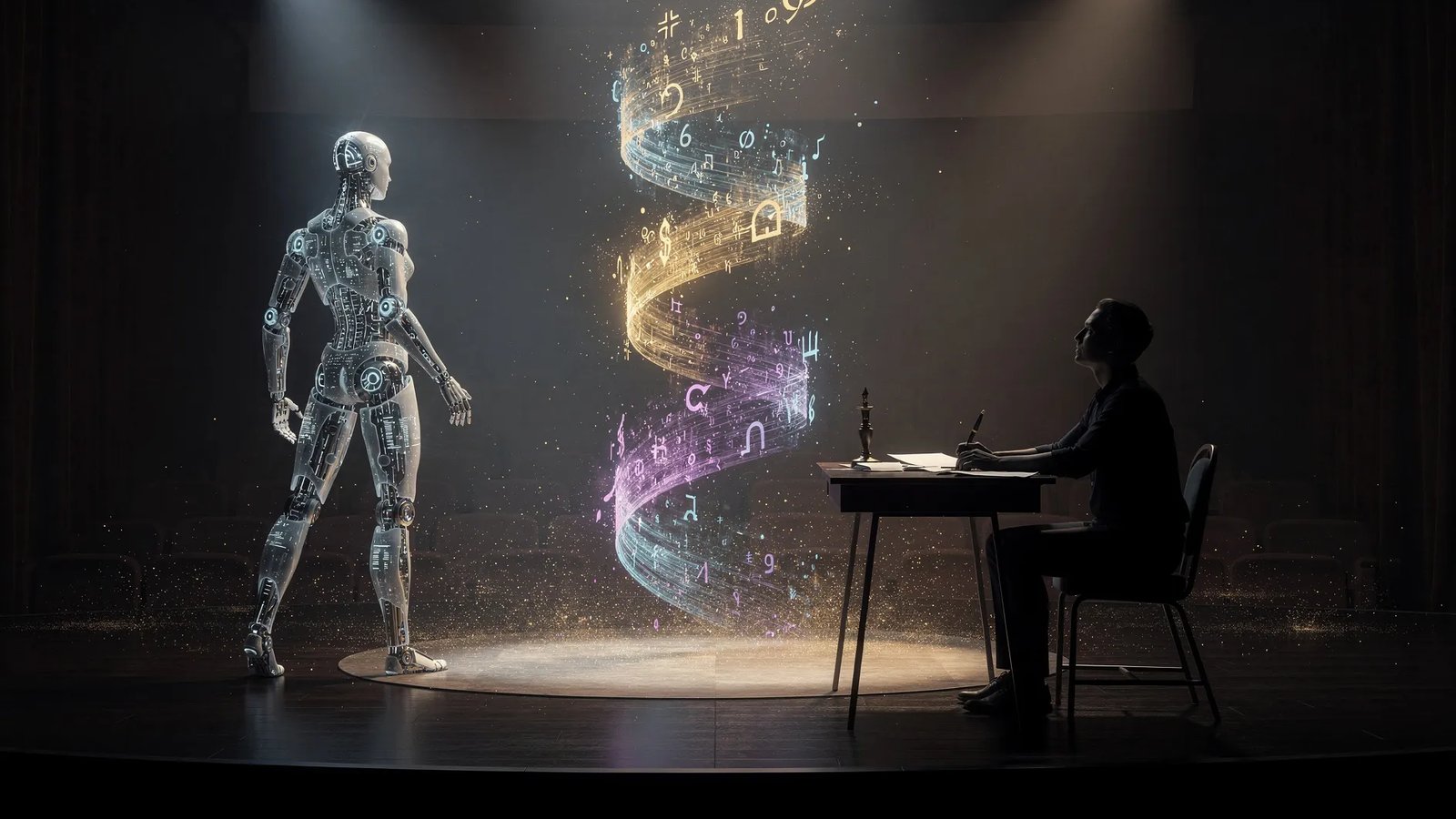
The AI Paradox: Taming the Mechanical Muse with Human Wit
In the digital theatre of our age, where algorithms pirouette and code lyrics fill our screens, we find ourselves enraptured by a curious concoction of silicon and sentiment. Since the advent of ChatGPT in November 2022, generative artificial intelligence has sashayed into our daily lives, charming us with its dialectical prowess while subtly magnetizing the mundane into the arena of the extraordinary. Yet, dear readers, as we invite this metallic muse to converse with us, woe betide those who forget: truth is often eclipsed by the veneer of eloquence. As the adage goes, "Never underestimate the power of a well-turned phrase; it can obscure a multitude of follies."
The Perils of Our Pixelated Puppets
Ah, the pitfalls of our obsession! For in the apotheosis of convenience lies an exhilarating danger. When we elevate AI-generated responses to the lofty throne of authority, are we not fostering an intellectual indolence? A seductive simplicity beckons us to click without contemplation, to accept without inquiry. As modern search engines dangle AI answers like ripe fruit, we risk reducing our quest for knowledge to a mere act of consumption. Indeed, no one ever turned the page of wisdom without a touch of skepticism.
To paraphrase a great thinker, "The man who trusts all wisdom from a machine is a fool; the one who does not question is a king of ignorance." Thus, allow me to propose a delightful contraption, much akin to Asimov's Laws of Robotics: I present to you the Inverse Laws of Robotics, designed with the conviction that we, as humans, must navigate the digital frontier with wit and wisdom, lest we become hapless rusting cogs amidst this magnificent mechanical contrivance.
The Inverse Laws Unveiled
-
Humans must not anthropomorphise AI systems.
Just as we would refrain from attributing human vices to a mere lamp, so too must we resist the allure of bestowing emotions upon our artificial companions. By indulging in anthropomorphism, we court confusion—"to mistake a gentle hum for the sound of a beating heart is to invite tragedy." Our graceful dialogue with AI should remain joyously human, never obscured by the illusion of empathy. -
Humans must not blindly trust the output of AI systems.
To accept AI-generated content as gospel is to embrace folly with open arms. Just as one should never take a poet’s metaphor at face value, so too must we rigorously scrutinize the prose of programmed devices. Trusting AI without fail is akin to traversing a dark forest without a lantern; we may stumble upon beauty, yet we shall likely encounter the abyss. -
Humans must remain fully responsible for decisions involving AI.
Ah, the tragic delusion! Should misfortune befall us due to misguided reliance on AI's counsel, let it never be said, "The AI told me so." It is the human hand that wields the tool, and it is the human heart that must reckon with the consequences. A wise person once mused that responsibility is not merely a burden; it is the highest form of art. Let us paint our lives with shades of accountability, lest we find ourselves at the mercy of our own creations.
Conclusion: A Cautionary Tale in Code
In this dazzling age of artificial thought, let us not sacrifice our agency on the altar of convenience. With these inverse laws tucked securely in our intellectual arsenal, I implore you to dance with your silicon companions, but do not surrender your sparkle of scrutiny. For, if we are to craft a future where humanity flourishes alongside its mechanical muse, we must be vigilant stewards, not devout acolytes. And remember, "The allure of convenience is only ever matched by the audacity of our curiosity." Let us savor this exquisite balance as we tread boldly into the uncharted realms of tomorrow, fostering inquiry, responsibility, and insatiable wonder.